A Closer Look at the Most Famous Jamaican Food
Jamaican food has a way of announcing itself before it reaches the table. You smell the smoke, the allspice, the thyme, the Scotch bonnet, the sweet edge of caramelized onions, the deep savor of slow-cooked meat, and the unmistakable warmth of a kitchen that cooks by instinct as much as by recipe. Few cuisines carry such a strong sense of place in every bite. Jamaica is a relatively small island, yet its food has traveled widely and left a lasting mark in cities far beyond the Caribbean.
When people talk about the most famous Jamaican food, one dish usually takes center stage: jerk chicken. It deserves the attention. Jerk is more than a seasoning blend or a menu category. It is a method, a history, and a flavor profile that tells you a great deal about Jamaica itself. Still, no honest look at Jamaican food ends there. Ackee and saltfish, curry goat, oxtail, patties, rice and peas, escovitch fish, and festival all belong in the conversation because Jamaican cooking works as a system. The dishes support one another. The starches soften the heat, the pickles brighten the richness, the gravies seep into the rice, and the hot sauce ties everything together.
What makes this cuisine memorable is not simply heat or spice. It is contrast. Smoke against sweetness. Fire against creaminess. Salt against fruit. Long cooking against sudden flashes of freshness. Good Jamaican food tastes layered, not loud for the sake of being loud.
Why jerk became the signature dish
If one plate has introduced the world to Jamaican food more than any other, it is jerk chicken, with jerk pork close behind. The word “jerk” often gets flattened into a supermarket label, but the real thing is more specific and more demanding than that. Traditional jerk relies on seasoning meat with a mixture built around scallions, thyme, allspice, Scotch bonnet peppers, ginger, garlic, and salt, then cooking it low and slow over pimento wood. The smoke matters. The wood matters. The resting time matters. So does patience.
The result should not taste like generic barbecue with extra chili. Proper jerk carries a fragrant warmth from allspice, a green freshness from thyme and scallion, and a heat that builds rather than overwhelms. The outside develops a dark, almost bark-like crust. Underneath, the meat stays juicy. That contrast is the point.
Jerk’s roots are often traced to the Maroons, communities formed by Africans who escaped slavery and established independent settlements in Jamaica’s interior. Their cooking methods, shaped by survival and adapted to local ingredients, helped preserve and define what became one of the island’s most iconic foods. Histories of food are rarely tidy, but in this case the broad outline matters because jerk is not just delicious, it is culturally important.
There is also a practical reason jerk traveled so well. It is flexible. Chicken is common, relatively affordable, and quick enough to fit street food service. Pork takes longer and often has a deeper, richer flavor when cooked properly, but chicken became the global ambassador because it was easier for restaurants abroad to standardize. Even so, the best jerk spots usually treat the technique with respect rather than racing toward convenience.
A common disappointment in many places outside Jamaica is over-marinating with wet sauce and under-delivering on smoke. If the chicken tastes mainly sweet, or mainly fiery, or mainly salty, something is missing. Good jerk is balanced. It should keep revealing itself as you eat.
The real flavor architecture of Jamaican cooking
To understand why famous Jamaican dishes hit so hard, it helps to look at the flavor architecture underneath them. Jamaican cooks build complexity with a handful of recurring ingredients used in different proportions. Allspice is one of the big signatures. So is thyme. Scotch bonnet peppers bring serious heat, but also fruitiness when used with care. Ginger and garlic supply depth, while onions and scallions create a sharp aromatic base. Browning sauce appears in many home and restaurant kitchens, lending color and https://judahxsas395.opalvector.com/posts/exploring-the-bold-spices-of-jamaican-food a faint bittersweet edge to stews and braises.
Then there is the broader inheritance of the island itself. African, Indigenous Taíno, Spanish, British, Indian, Chinese, and Middle Eastern influences all left traces in Jamaican food. Curry powder came through Indian laborers and became thoroughly Jamaican in expression. Salted cod arrived through colonial trade and eventually became part of the national dish. Patties evolved through layers of migration and adaptation. This is one reason the cuisine feels so complete. It has absorbed, adjusted, and made those influences its own.
Texture is just as important as spice. Rice and peas should be tender, but not mushy, with the perfume of coconut milk and thyme. Fried plantain should be soft inside with caramelized edges. A proper patty shell should shatter slightly when you bite it, not slump like soft pastry. Festivals, those lightly sweet fried dough sticks often served with fish or jerk, work because they bring softness and sweetness alongside savory heat.
Ackee and saltfish, the national dish with real character
If jerk is the global celebrity, ackee and saltfish is the plate Jamaicans often point to as most representative. It is Jamaica’s national dish, and for good reason. It brings together history, scarcity, ingenuity, and pleasure in one pan.
Ackee is a fruit originally from West Africa. When cooked properly, the ripe flesh becomes soft, buttery, and delicate, almost like scrambled eggs in appearance but much creamier in texture. Saltfish, usually salted cod, contributes structure and salinity. The supporting cast often includes onions, tomatoes, scallions, thyme, and Scotch bonnet. The dish is sautéed rather than stewed into submission, so each element can still be recognized.
The first time someone tries ackee and saltfish, the reaction is often surprise. The flavor is subtle. It is not a dish that attacks the palate. It wins by harmony. The ackee mellows the fish. The fish sharpens the ackee. The aromatics do the bridging work. Served with fried dumplings, boiled green bananas, roasted breadfruit, or plain rice, it becomes deeply satisfying without feeling heavy.
There is one practical note that matters here. Ackee must be handled correctly. Unripe ackee is unsafe to eat. That fact is well known in Jamaican households, where people learn when the fruit is naturally open and ready. Outside Jamaica, many people encounter ackee in canned form, which avoids the question of preparation but can still deliver respectable results when cooked with care.
Curry goat and the Jamaican approach to spice
Ask a room full of Jamaicans abroad what dish they miss most at family gatherings, and curry goat will come up quickly. It is a celebratory dish, often associated with weddings, parties, Sunday dinners, and other occasions where the cooking starts early and nobody minds waiting.
Jamaican curry goat differs from many South Asian goat curries, even though the use of curry powder reflects Indian influence. Jamaican versions often lean heavily on scallion, thyme, garlic, onion, Scotch bonnet, and potatoes, with the curry powder toasted or fried to wake it up before the meat slowly tenderizes. The sauce should be thick and clinging, not watery. The goat should hold its shape but yield easily.
Goat can be unforgiving if rushed. A weak curry goat usually tells on itself right away. The meat is either chewy from undercooking or stringy from overcooking. The seasoning sits on the surface instead of penetrating. The potatoes dissolve into the sauce without adding body. A strong version, by contrast, tastes integrated. The curry has settled into the meat. The heat is present but rounded. The gravy is worth chasing with every grain of rice.
That point about gravy is not trivial. Jamaican plates are built for mixing. Rice and peas, white rice, boiled provisions, and dumplings exist partly to capture sauce. A dish is rarely isolated from its sides. The pleasure comes from the plate as a whole.
Oxtail, richness, and the art of slow cooking
Few Jamaican restaurant dishes inspire more loyalty than oxtail. It is rich, sticky, and deeply savory, the kind of food that rewards long cooking and a generous hand with seasoning. Oxtail is usually braised with broad beans, onions, garlic, thyme, allspice, and sometimes butter beans, until the connective tissue breaks down and the sauce turns glossy.
At its best, Jamaican oxtail tastes luxurious without becoming cloying. The meat should slide from the bone with slight resistance, not collapse into mush. The sauce should be dark and concentrated, but still lively enough that you want another bite. Rice and peas is the classic partner because it absorbs that intensity without disappearing beneath it.
This is also a dish where cost has changed the story. Oxtail was once a cheaper cut associated with thrift and careful cooking. In many places now, it is expensive because demand caught up with its reputation. That shift says something important about Jamaican food more broadly. Dishes born from necessity often become the dishes people prize most when they recognize the skill involved.
The patty, a portable classic that deserves respect
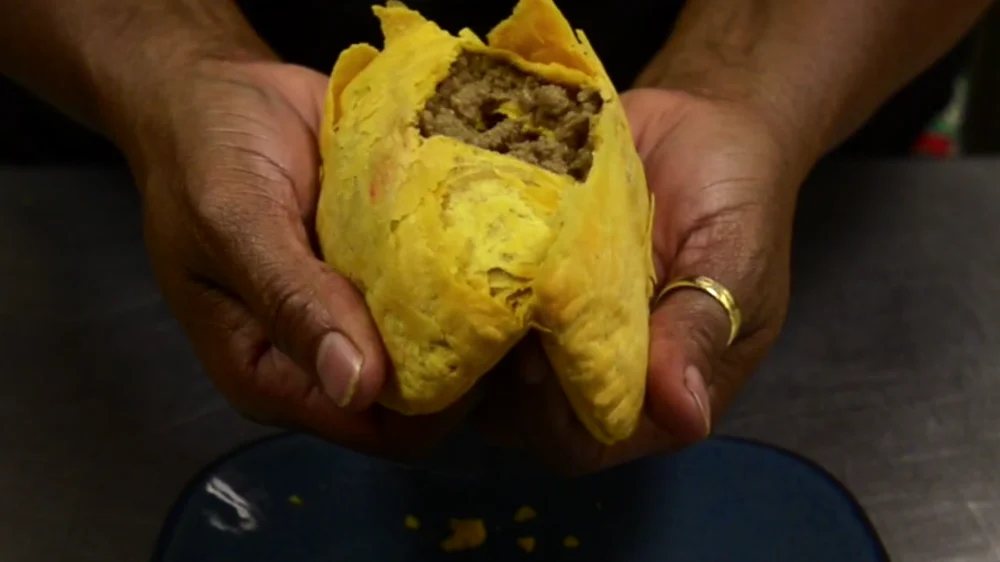
Jamaican patties are sometimes treated as a quick snack, but that can undersell them. A good patty is one of the most efficient flavor packages in Caribbean cooking. The shell, typically tinted golden with turmeric or curry, should be flaky and light but sturdy enough to hold the filling. Inside, the meat should be seasoned assertively with onion, thyme, pepper, and spice, yet remain moist.
Beef is the classic filling, though chicken, vegetable, callaloo, and saltfish versions all have their place. In Jamaica, the patty is everyday food, found in bakeries, school lunch routines, roadside stops, and city storefronts. Abroad, it often becomes a nostalgic object, something people seek out to reconnect with the taste of home.
There is also a small but telling detail in how people eat them. A patty on its own is fine. A patty tucked inside soft coco bread is something else altogether, richer and more indulgent. It is the kind of combination that feels obvious only after you have tried it.
Fish, festivals, and the bright side of the table
Because Jamaica is an island, seafood belongs near the center of the food culture, even when international attention drifts more often to jerk and stews. Escovitch fish is one of the clearest examples of how Jamaican food uses acidity to sharpen richness. A whole fried fish, often snapper, is topped with a hot pickled mixture of onions, carrots, Scotch bonnet, and vinegar. The fish brings crunch and tenderness. The topping cuts through it with heat and sourness.
Festival is a natural companion here. Slightly sweet, fried, and soft, it balances the sharp pickled vegetables and the savory fish. On paper, the combination sounds almost too contrasting. On the plate, it makes perfect sense.
You also see the same balancing instinct in pepper shrimp, mannish water, rundown, and other dishes that may be less globally famous but are firmly part of the Jamaican food landscape. Rundown, especially with mackerel, shows another side of the cuisine, coconut milk cooked down with aromatics until the flavors tighten and deepen. It is not showy food. It is experienced food, the kind of dish that reveals how much can be done with a short ingredient list and good judgment.
The role of sides, sauces, and starches
One mistake newcomers make with Jamaican food is focusing only on the main protein. The sides are doing real work. Rice and peas is not an afterthought. Despite the name, the “peas” are usually kidney beans or gungo peas, simmered with coconut milk, thyme, scallion, and sometimes a whole Scotch bonnet for perfume rather than brute force. A well-made pot carries flavor all the way through. Bland rice and peas can sink an otherwise strong meal.
Plantain, whether fried ripe or cooked green in other preparations, adds sweetness and softness. Bammy, made from cassava, offers chew and mildness, especially alongside fish. Breadfruit, boiled or roasted, has a dry, starchy comfort that pairs beautifully with salty or saucy dishes. Fried dumplings add heft and pleasure in equal measure.
Then there are the sauces. Some cooks use bottled pepper sauces at the table, others make fresh condiments. The key is restraint and purpose. Not every dish needs extra fire. Sometimes the plate is already complete.
A strong Jamaican meal often depends on these pairings:
- Jerk chicken with festival or bread, where sweetness softens smoke and heat.
- Oxtail with rice and peas, where the starch catches every drop of gravy.
- Ackee and saltfish with dumplings or green banana, where plain sides let the main dish breathe.
- Escovitch fish with bammy or festival, where crunch and acidity meet mellow starch.
- Curry goat with white rice or rice and peas, where the sauce becomes part of the side.
What seems simple at first is actually careful plate logic developed over generations.
Street food, home kitchens, and what gets lost in translation
Famous Jamaican food often reaches outsiders through restaurants, festivals, and export brands. That is useful, but it can flatten the range of the cuisine. The best meals are not always the most photogenic or the most aggressively seasoned. Sometimes they come from a roadside jerk pan, a small shop with two steam trays and a queue at noon, or a family kitchen where the recipe is never written down.
Home cooking tends to show more variation than restaurant menus suggest. One cook uses more thyme, another leans heavier on black pepper, another adds more tomato, another refuses to. Some like sweeter plantains, some prefer them barely ripe. Some curry goat is intensely hot, some quite moderate. This variability is not a flaw. It is part of what keeps the cuisine alive.
Outside Jamaica, substitutions are inevitable. Pimento wood is hard to source. Goat quality varies. Scotch bonnets are sometimes replaced with habaneros, which are close, though not identical in flavor. Saltfish can differ in texture. Even climate affects produce. These changes do not automatically ruin the food, but they do explain why certain dishes taste more complete on the island. Ingredients are one reason. Context is another. Food eaten outdoors, fresh from smoke or sea, carries a different force.
What to order if you want to understand Jamaican food
If someone wanted a serious introduction to Jamaican food, I would not send them straight to the hottest jerk chicken available and call it a day. A fuller picture comes from tasting a few distinct styles side by side. The cuisine opens up when you see how smoke, braising, frying, pickling, and stewing coexist.
A strong first exploration might include jerk chicken, ackee and saltfish, curry goat, rice and peas, and a patty from a bakery that cares about its pastry. That small spread already shows the range of Jamaican cooking, from street food to home-style comfort to celebration dishes. Add escovitch fish if seafood is on the table, and suddenly the bright, acidic side of the cuisine comes into focus too.
The point is not to collect famous dishes like stamps. It is to notice how they relate. Jamaican food is a cuisine of combinations and memory. The famous dishes become famous because they are delicious, yes, but also because they carry stories of migration, adaptation, labor, joy, scarcity, and celebration.
Why these dishes remain so widely loved
The most famous Jamaican food endures because it is honest food. It does not hide technique behind fussiness. It does not need luxury ingredients to create depth. It asks for seasoning, time, heat control, and confidence. In experienced hands, humble ingredients become unforgettable.
That is true of jerk, with its smoke and spice. It is true of ackee and saltfish, which turns preserved fish and a delicate fruit into something quietly elegant. It is true of curry goat and oxtail, both of which rely on patience more than glamour. It is true of patties sold from warm display cases to people on their lunch break.
There is another reason Jamaican food travels so well. It tastes like care. You can sense when a dish was layered properly, when the curry was allowed to cook out, when the rice absorbed the coconut milk rather than being splashed with flavor at the last minute, when the jerk spent enough time over smoke to earn its crust. These are not abstract culinary virtues. They are practical ones, and diners can recognize them immediately.
The world often reduces Jamaica to a handful of symbols, and food is one of them. Yet the best Jamaican food resists reduction. It is bold, but also nuanced. Rustic, but often highly controlled. Familiar in its comfort, but distinctive in its seasoning and structure. If jerk is the headline, the rest of the menu is the article, and it is well worth reading with attention.
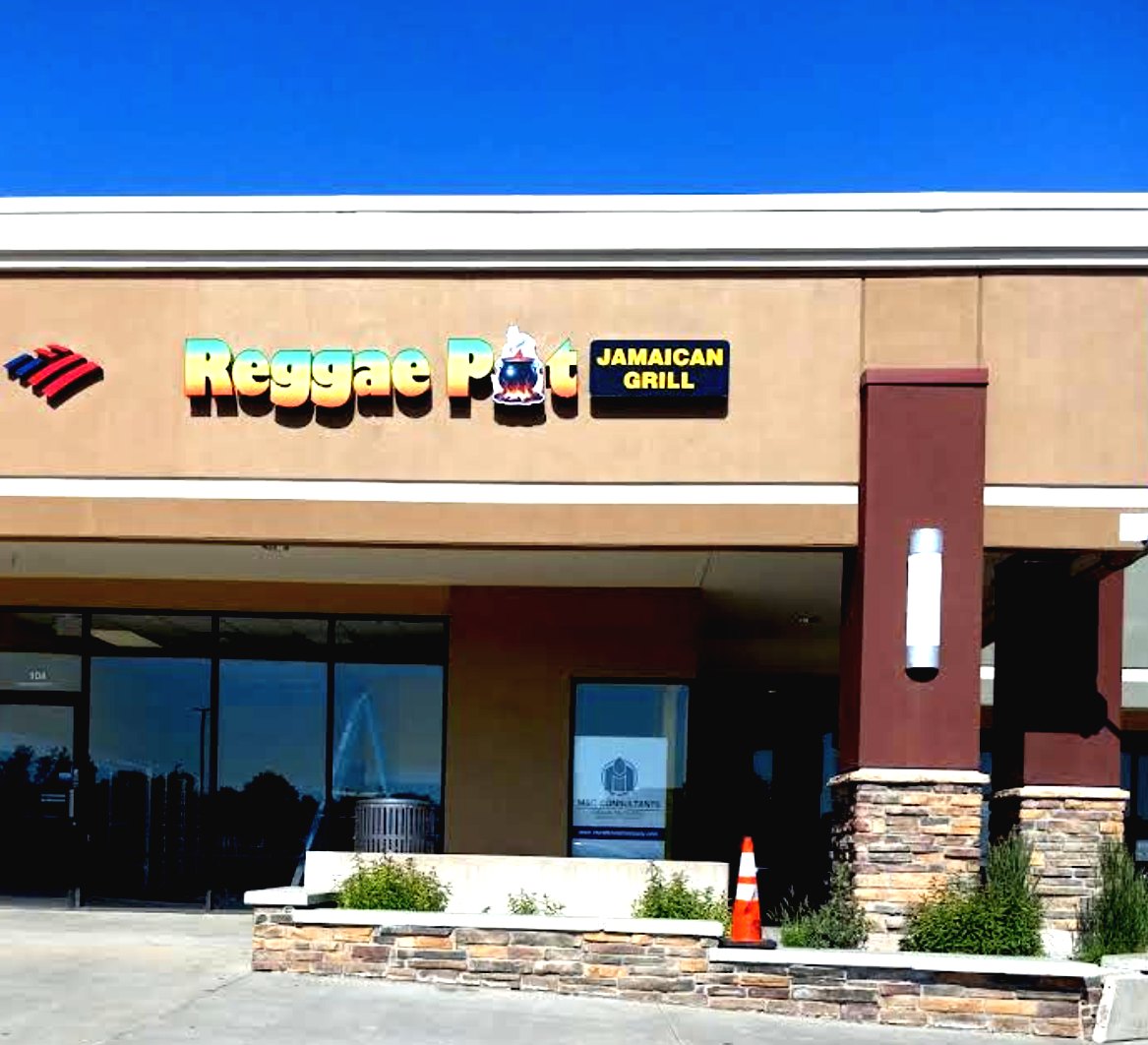
Reggae Pot Jamaican Grill
2243 S Monaco St Pkwy #104
Denver, CO 80222
+1 720-410-2956
FAQ About jamaican food
What is the best Jamaican food to try in Denver?
The best choice depends on your tastes. Popular options include jerk chicken, curry goat, slow-cooked oxtail, and savory patties. Reggae Pot lists these dishes on its menu, with sides such as rice and peas and plantains. Ask the Denver team about current availability and spice levels.
Is Jamaican food very spicy in Denver?
Heat varies by dish and preparation. Jerk seasoning often includes scotch bonnet peppers alongside herbs and allspice, while other dishes may have gentler seasoning. Ask about the heat of the specific dish and any sauce before ordering.
What are some popular Jamaican snacks?
Jamaican patties are a popular snack made with flaky pastry and savory meat or vegetable fillings. Other options include fried dumplings and festival, a sweet fried dough often served with savory dishes. Availability varies, so check the current menu when ordering.