Caribbean Food Denver: Signature Dishes Worth Ordering
Denver is not the first city most people associate with Caribbean cooking, and that is exactly why the best meals can catch you off guard. You come in expecting a casual lunch or a comforting dinner, then a plate lands in front of you carrying allspice, thyme, citrus, Scotch bonnet heat, long-simmered beans, fried plantains, and meat that has spent serious time under smoke or in braising liquid. The range is broad, because Caribbean cuisine is not one cuisine. It is a region shaped by African, Indigenous, Spanish, French, British, Dutch, Indian, Chinese, and Middle Eastern influences, and each island carries that history differently.
That matters when you are trying to order well. If you are searching for caribbean food denver diners talk about with real enthusiasm, it helps to know what the kitchen likely does best. Some places lean heavily Jamaican, with jerk chicken, curry goat, and oxtail as the anchors. Others bring Cuban staples such as ropa vieja or a pressed sandwich built around roast pork, ham, cheese, pickles, and mustard. A few menus branch into Puerto Rican, Trinidadian, or Haitian dishes, each with its own logic and comfort foods.
The trick is not to chase the most familiar item. It is to order the dish that shows patience, seasoning, and balance. Caribbean cooking rewards techniques that cannot be rushed. Marinades need time. Tough cuts need long heat. Rice and peas need to taste like more than filler. Fried items need clean oil and a cook who knows when to stop. The best restaurants reveal themselves in those details.
Start with jerk, but know what good jerk actually tastes like
Jerk chicken is often the first thing people order, and for good reason. When it is done right, it offers one of the clearest expressions of Caribbean flavor. You get smoke first, then warm spice, then chile heat that rises rather than punches, then the sweetness and bite of scallion, onion, allspice, thyme, ginger, and garlic. The meat should be deeply seasoned, not just painted on the outside.
A disappointing jerk plate usually gives itself away immediately. The color is dark but the flavor sits only on the skin. The heat feels generic. The smoke tastes artificial or absent. The chicken itself can be dry, especially if the kitchen relies on boneless white meat to speed up service. A strong version, by contrast, usually comes from bone-in pieces, often thighs, drumsticks, or leg quarters, marinated overnight and cooked in a way that lets the fat render while the spice blend adheres.
In Denver, where weather and ventilation realities do not always allow traditional pimento-wood cooking, many kitchens adapt. That does not automatically weaken the dish. A skilled cook can still produce excellent jerk with a grill, smoker, or oven finish, as long as the marinade is layered and the meat is not overcooked. If the menu offers jerk dark meat over breast meat, order the dark meat. It is usually the safer bet. If a side of jerk sauce comes with it, use it sparingly first. A well-made plate should already taste complete.
Rice and peas matter here more than people think. Good rice and peas should carry coconut richness, herbal notes, and enough salt to stand on its own. It should not be an afterthought sitting beside the jerk like packing material. If the plantains are also on point, caramelized at the edges and soft inside, you know the kitchen respects the whole plate.
Oxtail is often the smartest order on the menu
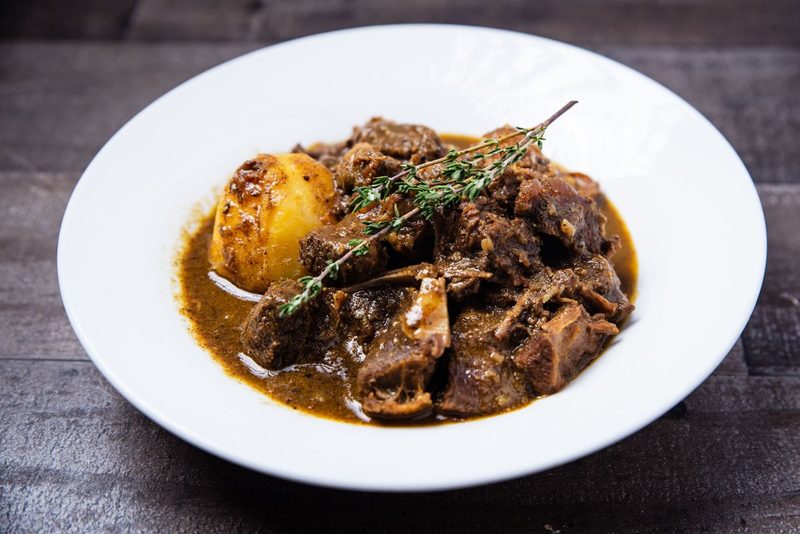
If I am trying a Caribbean spot for the first time and I want to know whether the kitchen understands depth, I look at the oxtail. It is one of those dishes that punishes shortcuts. There is no quick version worth eating. The meat has to be browned properly, simmered until tender, and finished in gravy that feels concentrated rather than watery. You should be able to taste the stock, the aromatics, and the gentle sweetness caribbean food denver that often comes from browning sauce, onions, and long cooking.
A strong oxtail plate arrives glossy and substantial. The meat should yield with a fork but still hold its shape on the bone. The gravy should soak into the rice without drowning it. Butter beans, if included, should taste like they belong there, not like they were stirred in at the last second for visual effect. This is also the dish that tells you a lot about value. Oxtail is expensive almost everywhere now, so portions may be modest compared with chicken dishes. That does not mean the plate is poor value if the execution is excellent. A smaller serving of properly braised oxtail can be more satisfying than a giant tray of bland chicken.
Denver diners sometimes hesitate at the price, and that is understandable. But when people ask what signature dish is worth the splurge in the local Caribbean scene, this is near the top of the list. It travels well, reheats beautifully, and rarely disappoints if the restaurant has any real command of slow braises.
Curry goat separates serious kitchens from casual imitators
There is a reason curry goat has a loyal following. It brings together spice, texture, and richness in a way that feels both celebratory and deeply comforting. Goat has its own character, slightly earthy and leaner than lamb, and it benefits from assertive seasoning. In the Caribbean, curry often means something distinct from many Indian restaurant curries Americans know well. You still get turmeric, coriander, cumin, and warming spice, but the profile is shaped by island preferences, local technique, and ingredients such as thyme, Scotch bonnet, scallion, and all-purpose seasoning blends.
A good curry goat should not taste muddy. That is the biggest risk. Overloaded spice, excess starch, or underdeveloped browning can flatten the dish. The sauce should be savory and aromatic, with enough body to coat the rice but not so much thickness that it feels gluey. The meat should be tender yet not shredded into anonymity. Bones are common, and they are part of the flavor, so this is not the most convenient lunch order if you have ten rushed minutes between meetings. For dinner, though, it is one of the most rewarding.
When a restaurant offers both curry chicken and curry goat, the goat often shows more ambition. Chicken is easier to cook and more forgiving for broad audiences. Goat asks more of the diner and more of the kitchen. That is usually where you see whether the cooks trust their identity.
Brown stew chicken is the sleeper hit
Jerk and curry get the spotlight, while brown stew chicken quietly wins repeat customers. It deserves more attention. This dish is a masterclass in balance. The chicken is seasoned and browned, then simmered with onions, peppers, carrots, sometimes tomatoes, and a savory sauce that lands between a stew and a glaze. You get sweetness, savoriness, and enough spice to keep things lively without overwhelming the palate.
For someone new to caribbean food denver restaurants offer, brown stew chicken can be a better first order than jerk. It is less polarizing, often less spicy, and usually a little more forgiving if a kitchen is having an uneven service. It also tends to pair beautifully with cabbage, rice and peas, and fried plantains. On a cold Denver evening, it makes immediate sense.
The best versions avoid two common mistakes. First, they do not let the sauce become sugary. Second, they do not cook the vegetables into mush. You want tenderness, not collapse. The dish should taste like the chicken and gravy were meant for each other from the beginning.
If you see roti, pay attention
Roti can mean slightly different things depending on the tradition behind it, but in many Caribbean contexts, especially Trinidadian cooking, it refers to a flatbread wrapped around curried fillings such as chicken, goat, chickpeas, potato, or shrimp. A good roti is practical food and pleasure food at once. It is portable, filling, and packed with spice and texture.
The bread itself matters as much as the filling. It should be pliable, with enough chew to hold everything together but not so much toughness that it fights you. The filling should be moist without turning the whole package soggy. Potato, if included, should absorb flavor rather than dilute it. Chickpeas should be tender and seasoned. Pepper sauce on the side can take the whole thing from good to memorable.
Roti is also one of the easiest gateways for diners who want something less plate-based and more handheld. In cities where Caribbean options span multiple island traditions, roti can signal a broader menu than the standard Jamaican trio of jerk, curry, and oxtail. If a place takes its roti seriously, that usually tells you the kitchen is not just reproducing expected hits but honoring a wider culinary map.
Cuban staples deserve equal respect
People often use “Caribbean food” as shorthand for only one style of cooking, but Denver menus can stretch wider. Cuban dishes, in particular, deserve close attention because they express a different set of priorities. Where Jamaican food may lean hard into smoke, allspice, and chile, Cuban cooking often emphasizes citrus, garlic, pork, black beans, slow-cooked beef, and pressed sandwiches with crisp, golden bread.
Ropa vieja is worth ordering when available. The classic version, shredded beef simmered with tomatoes, peppers, onions, and spices, should taste deep and savory rather than simply like pot roast pulled apart. The strands of beef should retain some integrity. White rice and black beans alongside it are not filler. Their plainness is part of the architecture of the plate, giving the richly seasoned beef room to shine.
Lechón, or roast pork, is another benchmark dish. Good roast pork should carry garlic and citrus through the interior, not just on the surface. If the kitchen manages crackling or crisp edges, even better. In a sandwich, the pork should stay moist under pressure from the press, while the bread crisps outside. Pickles and mustard are not optional accessories. They cut the richness and bring the sandwich into focus.
The Cuban sandwich itself can be more revealing than a more elaborate entrée. It sounds simple, but simplicity is unforgiving. Dry bread, dull pork, or timid mustard leaves you with a heavy lunch. When done right, it is one of the most satisfying orders in the category.
Sides tell you whether the restaurant has discipline
Main dishes get the headlines, but the sides tell the truth. You can learn a lot from cabbage, beans, plantains, and rice. If those are thoughtful, the kitchen is probably thoughtful everywhere else.
A few side dishes are worth watching for when you size up a menu:
- Rice and peas that taste seasoned all the way through, with distinct grains rather than mush.
- Fried ripe plantains that are sweet, soft, and caramelized, not greasy or stiff.
- Steamed cabbage with enough salt and spice to feel deliberate.
- Macaroni and cheese that is baked and cohesive, not bland cafeteria filler.
- Beans, black or red, with real broth depth rather than a canned taste.
That list might look humble, but these are the items that round out the meal and justify the price. A restaurant can fake excitement with a spicy marinade. It is much harder to fake care across every tray and steam pan.
Heat levels vary more than menus admit
One thing I have learned from eating Caribbean food across many cities is that menus rarely explain heat with much precision. “Spicy” can mean almost nothing. In some restaurants, the jerk is toned down for a wider audience and the real fire lives in bottled pepper sauce on the counter. In others, the cook is gentle one day and unrestrained the next because the peppers themselves vary. Scotch bonnet heat is fruity and persistent, and if it is handled confidently, it should contribute flavor long before it contributes pain.
If you are heat-sensitive, the safest strong orders are often brown stew chicken, ropa vieja, roast pork, or oxtail, depending on the kitchen. If you love chile and want to feel it, ask whether the jerk is made traditionally hot or if there is a separate house pepper sauce. That simple question usually gets you a more honest answer than a menu icon ever will.
There is also a practical point here for Denver diners. Altitude changes how people experience dehydration and alcohol, and a very spicy meal with a strong drink can hit harder than expected. That is not a warning against ordering boldly, just a reminder to pair wisely. A tart juice, a cold beer, or even extra water can make the meal more enjoyable without muting the flavors.
What to order on a first visit, and what to save for later
Menus can be broad, especially at places trying to represent more than one island tradition. Ordering well on a first visit is less about chasing novelty and more about understanding the house strengths. If the place clearly centers Jamaican cooking, start with one dish off the grill or smoker and one braised or stewed dish if you are dining with company. That gives you a fair read on both dry and sauced cooking. If the menu tilts Cuban, try one sandwich or pork dish and one slow-cooked beef preparation. The contrast is useful.
For solo diners, I usually recommend choosing the dish that benefits least from compromise. That often means oxtail, curry goat, or brown stew chicken over a mixed appetizer platter. Combination plates sound appealing, but they can spread the kitchen thin and leave you with smaller portions of everything and mastery of nothing. Once you know what the restaurant handles best, then branch out into patties, fritters, seafood, soups, or sweets.
Dessert, where offered, is often worth a look. Rum cake, sweet plantain preparations, flan, or coconut-based desserts can finish the meal nicely. But this is not a cuisine category where dessert defines the experience. Savory depth is the story.
Drinks can sharpen or soften the meal
Beverages are easy to overlook, yet they can transform the meal. A sweet tropical drink with a heavily sauced entrée can push the whole experience toward richness overload. On the other hand, something bright and acidic can wake up the plate. Sorrel, ginger beer, tamarind, passionfruit, or lime-based drinks often work beautifully because they bring tension.
Alcohol pairings depend on the dish. Jerk chicken likes something crisp and cooling. Oxtail and curry goat can handle darker beer or a simple rum drink, as long as the sweetness stays controlled. The point is not sophistication for its own sake. It is contrast. Caribbean food often carries spice, smoke, fat, and starch in generous proportion. A smart drink keeps the palate alive.
The best signature dishes reflect labor, not just seasoning
There is a tendency to reduce Caribbean food to spice level, but that misses the real craft. What makes a dish worth ordering is usually labor. Someone took time with that marinade. Someone browned that meat properly. Someone tasted the beans and adjusted the salt. Someone knew that the plantains needed another minute, but not two.
That is why the most reliable signature dishes in Denver’s Caribbean restaurants are usually the ones built on patience: jerk chicken with deep penetration and smoke, oxtail with concentrated gravy, curry goat with tenderness and lift, brown stew chicken with balanced sweetness, roti with structure and flavor, ropa vieja that tastes slow-cooked rather than assembled, roast pork that carries citrus and garlic into the center.
The city’s Caribbean food scene may be smaller than in Miami, New York, or South Florida, but that can make the good plates feel even more rewarding. They are often the product of cooks serving memory as much as appetite. You taste migration, adaptation, and discipline in the same bite. For diners, that means the best order is usually not the flashiest photo-friendly item. It is the dish the kitchen has made a thousand times and still refuses to rush.
If you are exploring caribbean food denver neighborhoods have to offer, order with that in mind. Look for the food that needs time, the sides that show care, and the flavors that feel lived in rather than designed. Signature dishes are not just popular menu items. They are the plates that carry the identity of the restaurant. When you find those, the meal stops being casual takeout and starts becoming a place you return to on purpose.
Reggae Pot Jamaican Grill
2243 S Monaco St Pkwy, Suite 104
Denver, CO 80222
(720) 410-2956
FAQ About caribbean food denver
What is a typical Caribbean meal?
Caribbean cuisines vary by island. A Jamaican meal might pair jerk chicken or oxtail with sides such as rice and peas, cabbage, or fried plantains.
What is Jamaica’s national dish?
Ackee and saltfish is widely recognized as Jamaica’s national dish. Check the current menu for availability.
Is Caribbean jerk the same as Jamaican jerk?
Jerk is a Jamaican cooking tradition associated with seasoning and slow cooking or grilling. The exact heat level and preparation vary by cook.