The Flavor-Packed World of Jamaican Food
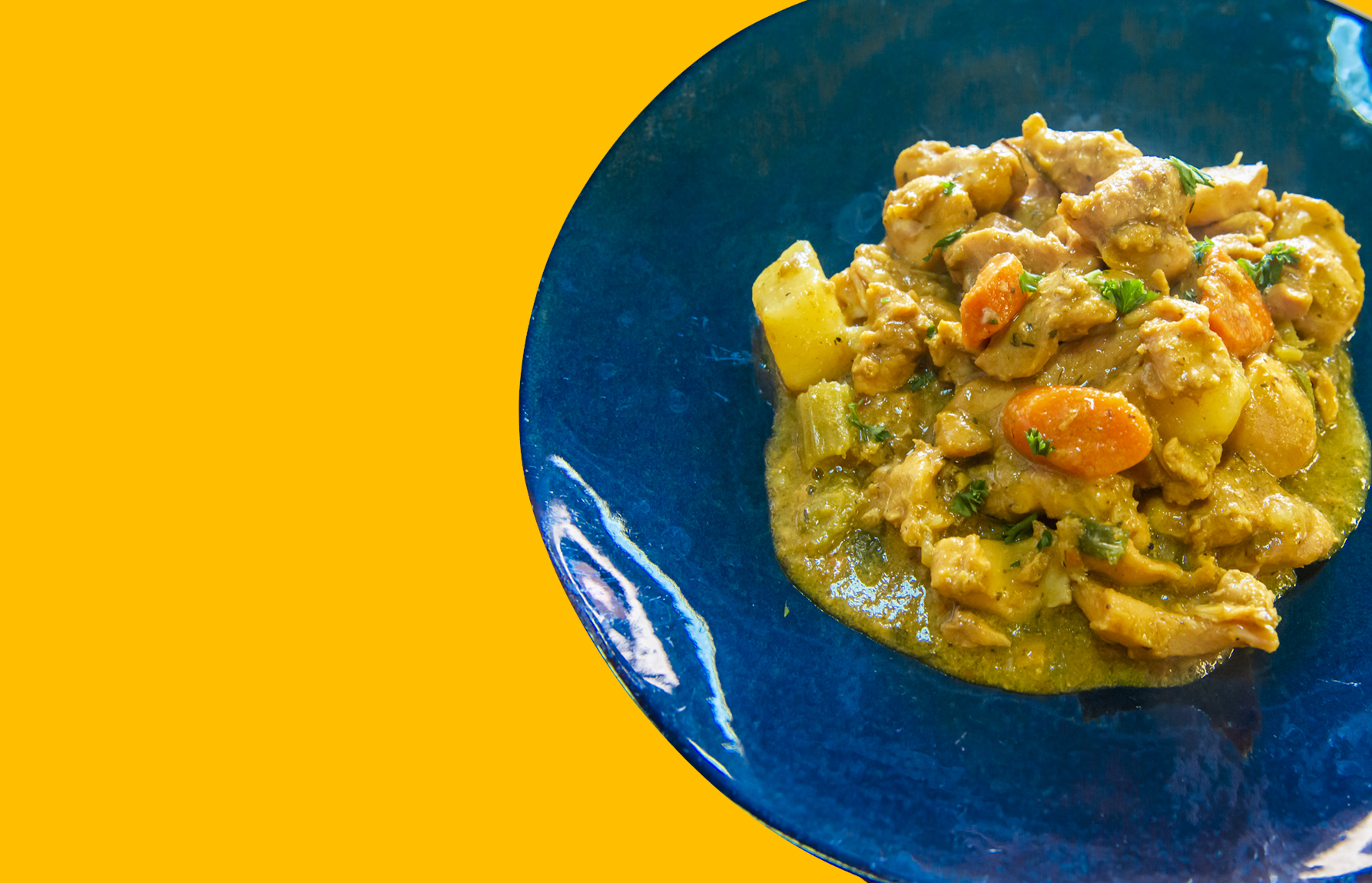
Jamaican food has a way of announcing itself before it reaches the table. You smell smoke from pimento wood, thyme rising from a simmering pot, scallion and Scotch bonnet hitting hot oil, and the faint sweetness of coconut or ripe plantain somewhere in the background. Few cuisines balance force and comfort as confidently. It can be fiery, earthy, briny, sweet, and deeply savory, often in the same meal.
That depth does not come from heat alone, although heat gets most of the attention. The real strength of Jamaican food lies in layering. A good cook builds flavor in stages, with seasoning pastes, fresh herbs, allspice, browning, stock, time, and patience. A plate that looks simple, perhaps jerk chicken with rice and peas and a side of cabbage, carries a surprising amount of technique and judgment. The seasoning has to penetrate. The smoke has to complement, not dominate. The rice should stay distinct. The peas should soften without collapsing. The cabbage must retain a little bite.
It is also a cuisine shaped by movement and adaptation. Jamaica’s foodways reflect African, Indigenous Taíno, European, Indian, and Chinese influences, not as a neat historical display but as a living kitchen language. You see it in the use of saltfish and preserved meats, in curries and spice blends, in fried doughs, stews, patties, pickles, and soups. That mix helps explain why Jamaican food feels both familiar and singular. You may recognize ingredients, but the combinations and the intensity of seasoning are unmistakable.
More than jerk
Outside Jamaica, many people reduce the cuisine to jerk seasoning. Jerk matters, certainly, but it is only one part of a much larger story. Jamaican food is full of dishes that are gentler in appearance and just as memorable in flavor: braised oxtail rich with butter beans, escovitch fish sharpened with vinegar and peppers, ackee and saltfish cooked until soft and savory, mannish water simmered for hours, festival fried to a golden sweetness, and soups substantial enough to count as the whole meal.
That range matters because Jamaican cooking is not built around one note. It is a cuisine of contrast. Salt cod meets creamy ackee. Peppery jerk is paired with cooling bread or ripe plantain. Tangy escovitch sits on top of crisp fried fish. A heavy stew might be served with plain white rice, not because the cook forgot the side dish, but because restraint is part of the balance.
Even the famous heat of Scotch bonnet has nuance when handled well. A whole pepper dropped into a pot can perfume a dish without making it aggressively hot. Cut it open, crush it, or blend it into marinade, and the result changes completely. Good Jamaican cooks know exactly when to use restraint and when to lean in.
The pantry that gives Jamaican food its backbone
If you spend time around Jamaican kitchens, a few ingredients show up again and again. They are not trendy additions or finishing touches. They are structural. Without them, the food loses its identity.
Scallion, thyme, garlic, onion, ginger, and Scotch bonnet form the aromatic base of countless dishes. Pimento, known elsewhere as allspice, is especially important. In Jamaican cooking, it is not a background baking spice. It is one of the defining flavors of the island, warm, peppery, clove-like, and essential in jerk, stews, and broths. Browning sauce, often used in braises and gravies, contributes color and a subtle bitterness that rounds out richer meats.
Then there are the starches and staples that anchor meals. Rice is central, whether plain or cooked with peas and coconut milk. Ground provisions such as yam, green banana, cassava, and sweet potato appear often, especially in soups and breakfast plates. Plantains cross from savory to sweet depending on ripeness and technique. Dumplings, boiled, fried, or tucked into soup, speak to the practical side of the cuisine. They fill people up, stretch a meal, and carry flavor beautifully.
Salted and preserved ingredients also play a major role. Saltfish is the best-known example, but the wider pattern matters. Preservation was not just a preference. It was a necessity at different points in Jamaica’s history, and that history still shapes the food. What could be stored, revived, seasoned, and made delicious became part of the culinary foundation.
Jerk, properly understood
Jerk is often described as a seasoning or a sauce, but that definition is too narrow. It is a method, a flavor profile, and a cooking tradition with deep roots. At its best, jerk combines fresh green herbs, aromatics, Scotch bonnet, pimento, salt, and sometimes a touch of sweetness. The meat, often chicken or pork, is seasoned aggressively and cooked over wood smoke, traditionally pimento wood.
That final detail changes everything. The smoke is not incidental. It is part of the flavor architecture. In a commercial setting outside Jamaica, you sometimes get grilled meat with a sweet-hot glaze labeled jerk. It may taste good, but it misses the point if the seasoning sits on the surface and the smoke is absent. Real jerk should taste integrated. The spice, salt, and smoke should read as one.
Pork has a special place in jerk tradition because the fat holds smoke so well and stands up to assertive seasoning. Chicken is more common in many restaurants because it is cheaper, faster, and broadly popular. Both can be excellent. The challenge with chicken is keeping it juicy while allowing enough time for proper char and smoke. That is harder than it looks. Too cool a fire, and the skin turns rubbery. Too hot, and the outside burns before the flavor develops.
Jerk also reveals a larger truth about Jamaican food. The most memorable versions are rarely rushed. Marinades need time. Fire needs managing. Meat needs resting. Even when the plate is casual, the craft behind it is exacting.
Ackee and saltfish, the national dish with a complicated beauty
Ackee and saltfish is one of the clearest examples of how Jamaican food turns contrast into harmony. Ackee, when cooked, becomes soft and delicate, almost creamy, with a subtle richness that some compare loosely to scrambled eggs or avocado, though neither comparison fully captures it. Saltfish brings salinity, chew, and depth. Onion, tomato, scallion, thyme, black pepper, and Scotch bonnet tie everything together.
The dish can be misread by first-time diners because it does not shout. It looks modest, especially compared with a dark stew or heavily charred jerk. Yet a good plate has precision. The ackee should remain tender and intact, not mashed into a paste. The saltfish should be soaked and flaked so that it seasons the dish rather than overwhelms it. The vegetables should soften but still retain shape.
There is also important caution around ackee. It must be harvested and prepared properly. Unripe ackee is dangerous. This is one of those cases where food knowledge is inseparable from food culture. What ends up on the plate depends on inherited understanding as much as recipe writing. That is true across many traditional cuisines, but it feels especially visible here.
Served with roasted breadfruit, fried dumpling, or boiled green banana, ackee and saltfish becomes far more than a protein dish. It turns into a picture of Jamaican breakfast culture, hearty, savory, practical, and deeply rooted.
Rice and peas, the side dish that is never just a side dish
Call rice and peas a side dish and many Jamaican cooks will let it pass, but only barely. Yes, it sits next to the main protein, but it is not secondary in flavor or importance. Properly made rice and peas carries coconut milk, thyme, scallion, garlic, and often a whole Scotch bonnet that perfumes the pot. The “peas” are usually kidney beans or gungo peas, depending on the occasion and region.
Texture matters. The rice should be fluffy, not wet. The coconut should be present but not cloying. The peas should be tender and evenly distributed. It sounds straightforward, but this is the kind of dish that exposes careless cooking immediately. Too much liquid, and the rice turns heavy. Too much coconut milk, and the whole thing veers sweet and greasy. Underseason it, and the plate falls flat.
Sunday dinner in many Jamaican households would feel incomplete without it. That weekly rhythm matters. Jamaican food is not only street food and restaurant fare. It is family food, church food, celebration food, and routine food. Rice and peas sits right at the center of that domestic tradition.
The power of soups, stews, and one-pot cooking
If you want to understand the soul of Jamaican cooking, spend time with the soups and stews. These are dishes built from thrift, patience, and a refusal to waste flavor. Water becomes broth. Bones become body. Tough cuts become luxurious with time.
Oxtail is a clear example. It is now expensive in many places, which says a lot about how formerly humble cuts can become prized once people realize how good they are. Jamaican-style oxtail is usually browned, then slowly braised with onion, garlic, thyme, broad beans or butter beans, stock, and seasoning until the meat loosens from the bone and the sauce turns glossy. The appeal is not subtle. It is deep, sticky, rich cooking, the kind that asks for plain rice to catch every drop.
Goat curry tells a different story. The influence from Indian indentured laborers is often noted, but the dish has long since become fully Jamaican in style. The curry powder itself tends to be distinctive, and the cooking often includes potatoes, thyme, scallion, and Scotch bonnet. Good curry goat should be tender without falling into stringy mush. That line matters. Overcooking can blur the flavor and texture, especially in catering settings where dishes sit too long over heat.
Soup in Jamaica often eats like a full meal. Chicken foot soup, red peas soup, pumpkin soup, fish tea, and mannish water are not delicate starters. They are substantial, restorative, and often associated with weekends, gatherings, or recovery after a long week. In many of them, dumplings and ground provisions provide heft. The broth carries pepper and herbs, but it also carries labor. These are not quick soups unless shortcuts are taken, and shortcuts usually show.
Patties, coco bread, and the art of eating on the move
Jamaican patties deserve their own respect. They are often treated abroad as a simple snack, but a good patty is a marvel of balance. The pastry should be tender yet sturdy enough to hold a well-seasoned filling. The crust, colored yellow by turmeric or curry, should flake without crumbling into dust. Inside, the filling, whether beef, chicken, vegetable, shrimp, or something spicier, should taste lively and moist.
A dry patty is a disappointment. So is one with a shell that tastes good but shatters apart before you reach the middle. The best patties solve both problems. They are engineered for convenience without tasting industrial.
Add coco bread, and the whole experience shifts. Soft, slightly sweet, and yielding, it tempers the spiced filling and turns a snack into a meal. This pairing says a lot about Jamaican food culture. It values strong flavor, but it also values rhythm and contrast. Heat meets softness. Fat meets bread. Portability meets satisfaction.
Street food culture matters here. Jamaican food is often at its most direct and honest when sold from a stall, roadside grill, bakery, https://issuu.com/reggaepotdenver or cookshop. You see what people actually eat on an ordinary day, not only what restaurants promote to visitors.
Escovitch, roast fish, and the island’s feel for seafood
Being an island shapes the table. Fish appears in forms that feel both practical and celebratory. Escovitch fish is one of the clearest examples. A whole fish, often snapper, is fried until crisp and topped with a sharp mixture of carrots, onions, Scotch bonnet, and vinegar. The point is not simply to add acidity. It is to create a bright, crunchy counterpoint to the hot, rich fish.
This is a dish that depends on timing. The fish must be fried enough to hold texture under the pickled topping. The vegetables should soften slightly but still bite back. Too much vinegar and the balance tips harsh. Too little, and the topping loses purpose. Good escovitch tastes alive.
Roast fish takes another path. Often seasoned and cooked with vegetables, sometimes wrapped and steamed or roasted until the flesh takes on all the aromatics around it, it shows the gentler side of the cuisine. Along the coast, seafood traditions vary according to what is available, but the broader pattern remains consistent: assertive seasoning, respect for freshness, and a clear understanding that acid, heat, and herbs can do heavy lifting without obscuring the fish itself.
Sweetness with structure
Desserts and sweet snacks do not always receive the same attention as jerk or curry goat, but they complete the picture. Jamaican sweets tend to carry the same confidence found in savory dishes. Rum cake is dense, fragrant, and unapologetically rich. Gizzada, with its pinched pastry shell and spiced coconut filling, is small but intense. Toto, a coconut cake, feels homey and direct. Plantain tart and sweet potato pudding offer deeper, earthier sweetness.
One dessert says a great deal about Jamaican preferences: grater cake. Made from grated coconut and sugar, often tinted pink on one side, it is simple, nostalgic, and textural. It reminds you that not every sweet needs refinement to have character.
Drinks belong in this conversation too. Sorrel, especially around the holidays, carries hibiscus, ginger, spice, and often rum. Ginger beer can range from pleasantly sharp to almost confrontational. Peanut punch, carrot juice, Irish moss, and soursop beverages reveal a taste for body, spice, and fullness rather than mere refreshment.
What makes Jamaican food hard to fake
Many cuisines travel well. Jamaican food does, too, but it can flatten quickly in the wrong hands. The usual mistake is reducing everything to generic “island” flavor, meaning sweetness, extra heat, and a lot of sauce. That misses the discipline of the cuisine.
Real Jamaican cooking relies on freshness in the seasoning base. Dried substitutes have their place, but they do not deliver the same result as fresh thyme, scallion, ginger, garlic, and hot pepper worked together. It also relies on tasting as you go. Saltfish must be adjusted jamaican food after soaking. Coconut milk changes the seasoning needs of rice. Scotch bonnet heat can vary. Browning sauce can turn a pot bitter if overused.
There is also the question of smoke and fire. Jerk cooked in an oven can be enjoyable, but it is not identical to jerk cooked over wood. Fish fried in old oil tastes tired, no matter how good the escovitch topping is. Patties held too long lose their textural contrast. These are not small issues. They separate a dish that merely resembles Jamaican food from one that actually delivers it.
For people cooking at home, a few principles matter more than chasing a perfect replica. Season early. Use fresh aromatics. Respect the role of allspice. Let the dish sit if it benefits from resting. Be careful with sweetness. Jamaican food often includes sweet elements, but the cuisine is not sugary at its core. It is savory food with moments of sweetness, not the other way around.
A cuisine of memory, labor, and joy
The most compelling thing about Jamaican food is not any single dish. It is the way the cuisine holds together. It carries history without becoming a museum piece. It remains practical while producing food that feels celebratory. It welcomes bold flavor, yet rewards discipline and restraint.
Spend enough time with Jamaican cooks and you notice how often the conversation returns to seasoning. Not just what goes into the pot, but how long it sits, when it is added, what the meat needs, whether the pepper should stay whole, whether the thyme is fresh enough, whether the rice has enough coconut, whether the fish is crisp enough to take the escovitch. That attention is not fussiness. It is care.
Jamaican food also resists the false divide between humble and luxurious cooking. A bowl of soup with dumplings can be as satisfying as a large platter of jerk pork. Ackee and saltfish can feel as special as curried goat. A patty from a busy bakery can deliver as much pleasure as a formal restaurant meal. The cuisine understands that flavor, not prestige, is what people remember.
For anyone approaching Jamaican food for the first time, the best advice is simple. Do not stop at jerk. Try the breakfast dishes, the soups, the patties, the braises, the sides that seem modest and turn out to be essential. Notice how often pepper is used for aroma rather than brute force. Pay attention to the way starches and sauces interact. Listen for the echo of pimento and thyme. The cuisine reveals itself in layers.
That is the real pleasure of Jamaican food. It arrives bold, but it stays with you because of its depth. One bite gives you heat and smoke. The next gives you herb, sweetness, acid, or richness you did not register at first. The meal feels generous, but it is also exact. Under the color and abundance, there is a cook making dozens of small decisions well. That is what gives Jamaican food its unmistakable power.
Reggae Pot Jamaican Grill
2243 S Monaco St Pkwy #104
Denver, CO 80222
+1 720-410-2956
FAQ About jamaican food
What is the best Jamaican food to try in Denver?
The best choice depends on your tastes. Popular options include jerk chicken, curry goat, slow-cooked oxtail, and savory patties. Reggae Pot lists these dishes on its menu, with sides such as rice and peas and plantains. Ask the Denver team about current availability and spice levels.
Is Jamaican food very spicy in Denver?
Heat varies by dish and preparation. Jerk seasoning often includes scotch bonnet peppers alongside herbs and allspice, while other dishes may have gentler seasoning. Ask about the heat of the specific dish and any sauce before ordering.
What are some popular Jamaican snacks?
Jamaican patties are a popular snack made with flaky pastry and savory meat or vegetable fillings. Other options include fried dumplings and festival, a sweet fried dough often served with savory dishes. Availability varies, so check the current menu when ordering.